

“A joyous theatrical experience, sure to put a smile on your face”

20 years after it first premiered in the West End, everyone’s favourite puppet show returns – “Avenue Q” is back, in a production that makes a few minor updates for a 2026 audience, but often feels as though it doesn’t quite go far enough. The overall story remains the same as ever, following a group of 20-somethings living in a run-down apartment situated on the titular Avenue Q. An obvious spoof of Sesame Street, the musical incorporates animated sequences alongside puppetry and real-life actors to create a world that appears family-friendly on the surface, but is very much aimed at adults underneath the cartoonish colour, with some of the jokes a bit too near-the-knuckle and not quite landing appropriately given current world events. Despite the innuendo, sweary lyrics and puppet nudity, the show carries a vital message that remains just as important as it did 20 years ago – that despite how bad things may seem, and how difficult your current situation is, everything will get better at some point and those bad times are “only for now”.
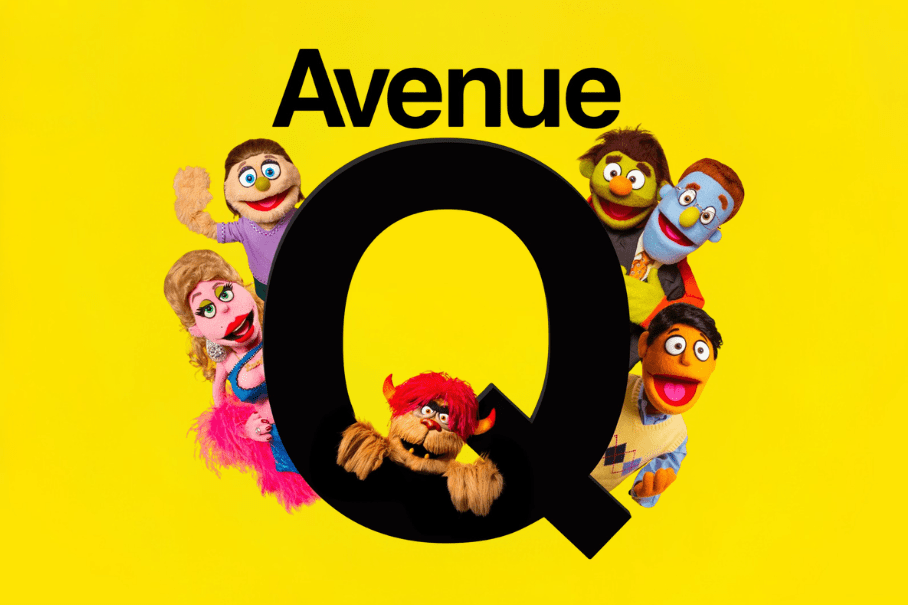
The puppeteers multi-role between different characters, which proves incredibly effective. This is particularly impressive in the case of Emily Benjamin, who portrays strait-laced Kate Monster and the outrageous Lucy “the slut”. When Kate decides to stand up to Lucy, she is controlled by a different puppeteer, yet Benjamin performs both voices, effortlessly slipping from Kate’s naïve, childlike voice to Kate’s more sultry tones. The same can be said for Noah Harrison who portrays both Princeton and Rod, although the two never have direct interactions in the same way as Benjamin’s Lucy/Kate. Harrison provides excellent comedic value throughout – as the closeted Rod trips over his own lies to try to hide his sexuality, the eyes are constantly drawn from the puppet to the actor, with Harrison’s facial expressions adding to the hilarity.
Anna Louizos’ set design recreates three apartment buildings on the street that constantly transform to bring other locations to life, opening up like dollhouses to allow us to see inside Kate’s and Rod’s apartments, and then rotating to reveal a splendid display of greenery for a wedding that takes place towards the end of Act One. Various windows are lit up with neon lights as different characters lean out of them to contribute lyrics, and the café sign is used to display certain captions throughout, particularly during the song ‘Schadenfreude’. Additional entrances are also included, with a manhole on the floor allowing an entrance for Dionne Ward-Anderson’s Gary and Oliver Jacobson’s Brian emerging from a bin at one point. The constantly evolving set keeps everything visually interesting, and provides a new and exciting backdrop for each musical number.
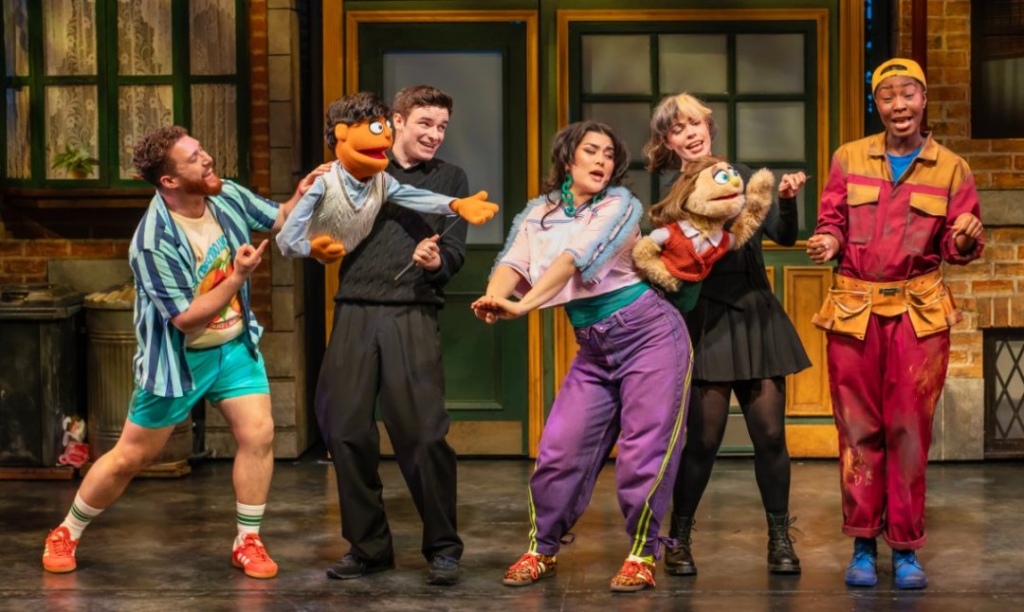
As the local handyman, Ward-Anderson gives a particularly nuanced, grounded performance. Based on child star Gary Coleman, the show has attempted to move away from the real-life roots, with the character credited merely as ‘Gary’ in the cast list, and some lines altered in opening song ‘It sucks to be me’ to offer a bit more of a background on the character for anyone unfamiliar with the “Diff’rent Strokes” star. The song ‘Everyone’s a Little Bit Racist’ creates a particularly sticky moment for the musical, carrying a concept that is a little more controversial in 2026, yet still providing the well-meaning message that everyone would get along better if we were to simply recognise and accept each other’s differences. It is Ward-Anderson who particularly sells this concept, giving a more serious edge to her performance, and placing great emphasis on the ‘little bit’ of the song title. A few words are changed here and there (“PC” is altered to “extreme”), and there are still some jokes that do not land well at all (comments about Jewish people make for some uncomfortable silences) but the show does its best with the questionable material, and it is mostly palatable.
Elements of the show have been updated to fit in with today’s technological advances. This results in some shoe-horned references to AI, and some big alterations to the song ‘Mixtape’, which now sees Princeton creating a Spotify playlist for Kate instead of a personalised cassette tape. This lands well with those familiar with the original – it is all played very tongue-in-cheek under the assumption we all know the original song – although might be a bit bewildering for those new to the musical. Meanwhile, other opportunities are seemingly missed – ‘The Money Song’ is played exactly as it always was, with no references to the fact that very few people carry cash these days, and ‘The Internet is for Porn’ is treated with the same level of humour despite the fact that other current West End shows such as ‘Inter Alia’ are taking great lengths to educate people on the dangers of pornography. Overall, it is a decent attempt at an update, but one that will mostly be appreciated by nostalgic fans rather than newcomers – other musicals, such as the recent ‘Legally Blonde’ revival, have integrated updates more seamlessly.
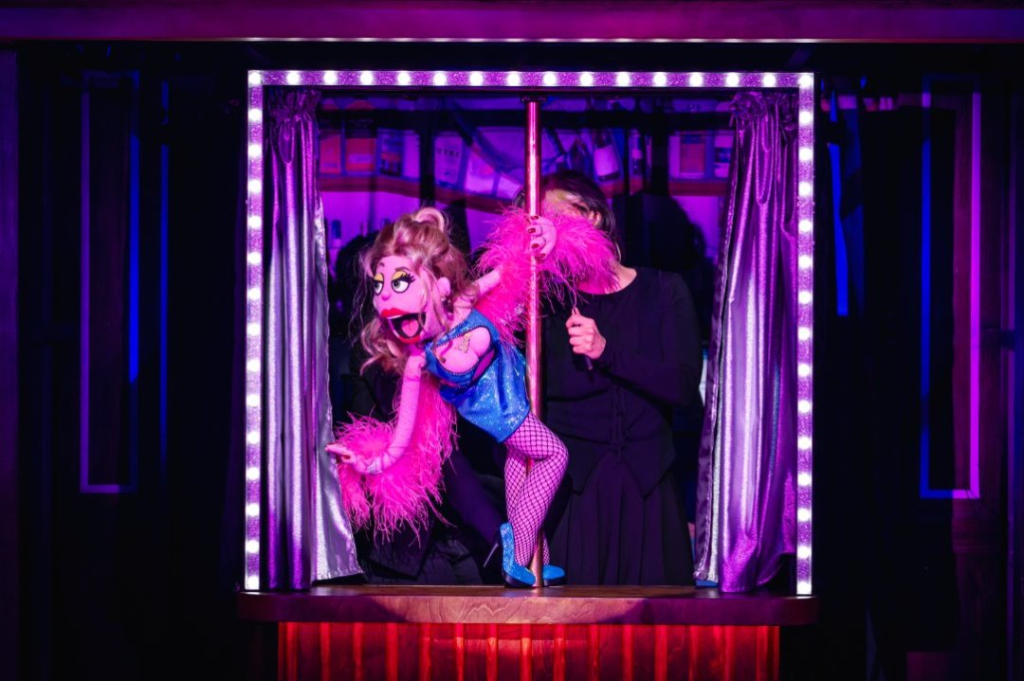
In terms of design, Lucy the Slut’s puppet now comes with added legs, making her the first Avenue Q character to be controlled by three puppeteers, creating a very fun dance number during the song ‘Special’, which proves to be one of the highlights of the show. ‘Fantasies Come True’ makes use of a bubble-machine with Ebony Molina’s choreography giving the impression that Rod and Nicky (Charlie McCullagh) are flying through the air, reminiscent of Superman and Lois Lane, whilst ‘There is Life Outside Your Apartment’ features a whole raft of new puppets, including rats and a cyclist, and a new musical arrangement (Stephen Oremus), which incorporates a techno section as the characters attend a nightclub rave. None of these additions change the show in any substantial way, but they provide brief visual jokes that are fun surprises for seasoned ‘Avenue Q’ viewers.
There are undoubtedly some excellent performances here – Amelia Kinu Muus proves to be one of the strongest vocalists here with a superb rendition of ‘The More You Ruv Someone’ – but there are still questions as to whether the jokes work for a modern day audience. It all, unfortunately, feels a little tired and dated, and how many more revivals ‘Avenue Q’ can sustain remains to be seen. Ultimately, this is a joyous theatrical experience, sure to put a smile on your face whilst teaching you important life lessons, yet one cannot help but feel that the future for this musical does not bode particularly well and, as the song goes, ‘Avenue Q’ might just be only for now.
Tom Morley, April 2026
For more information on how I decide on star ratings, see here: Star ratings – Broken Legs Blog
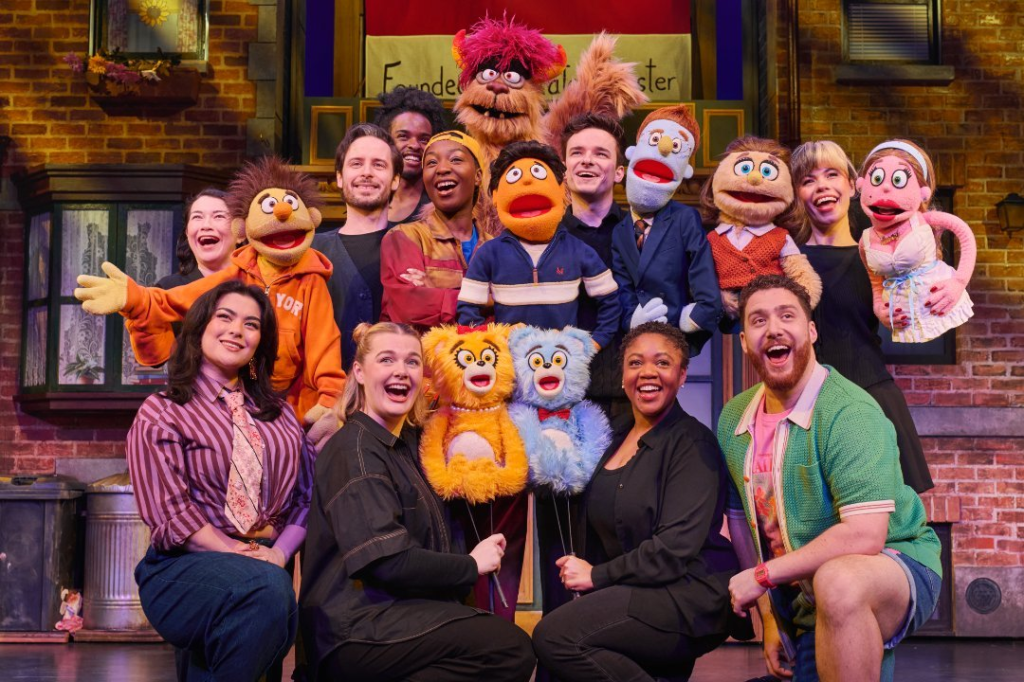
Review Round-up:
The Guardian: Avenue Q – 4* from the Guardian, who say the show “brings such sunny puppet-bound escapism while never quite leaving our world and the mess that human beings have created in it”
Lou Reviews: Avenue Q – 4* from Lou Reviews, who says the show is highly recommended “for its wit, pathos, and puppetry!”
Theatre Weekly: Avenue Q – And 5* from Theatre Weekly, who say the show carries “a keen awareness of insecurity, loneliness and the quiet terror of adulthood”











 Broken Legs Blog