

Disclaimer: Although I auditioned for this production, and was therefore privy to initial sneak peeks at set design and the director’s intentions, I have not been involved in any aspects of the rehearsal process since auditions concluded. I therefore consider my following review to be independent and free of bias.
Andrew Bovell’s play “Things I Know To Be True” explores family life in truly captivating, emotional and sometimes devastating ways. Lace Market Theatre’s production tells this story through a mix of physical theatre and utmost naturalism, the two merging together in such a way that doesn’t make the more abstract moments feel out of place, and will not be disconcerting to those unfamiliar with these sorts of theatrical techniques. Most importantly, these elements, which form a kind of interpretive dance that links scenes together, make sense within the story. We understand why each of these movements have been included, and what they are trying to convey. It is testament to the clear and controlled direction of Jonathan Cleaver – in less experienced hands, this could feel hammy or fall flat, but here the techniques on display simply soar.
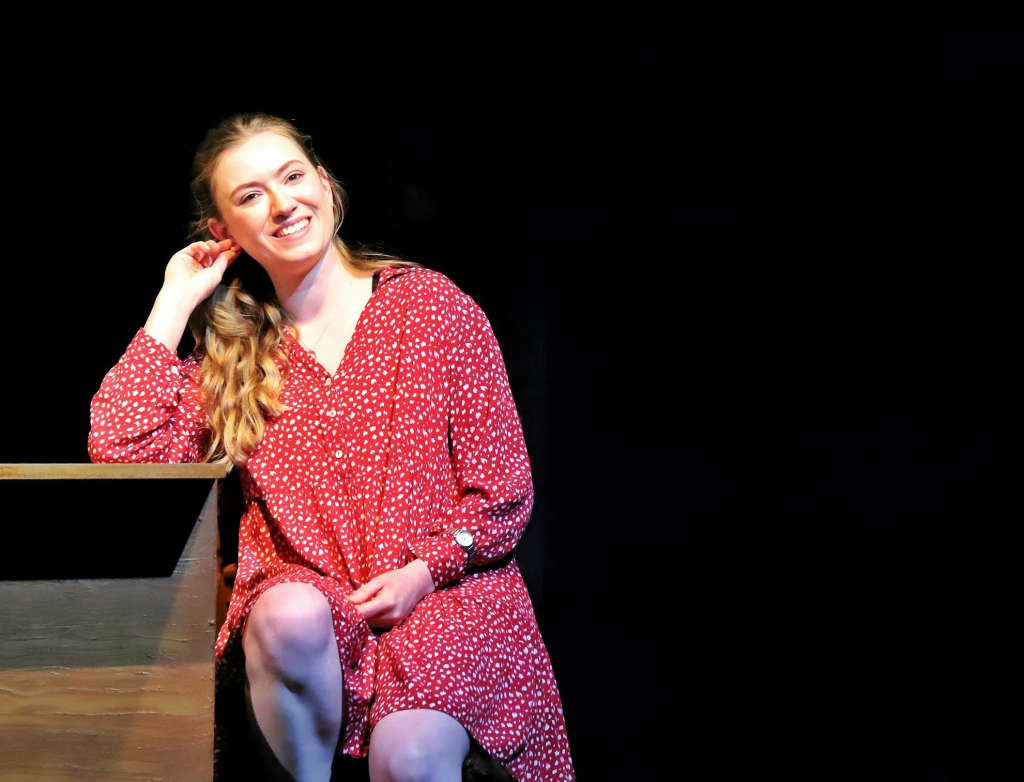
The play follows the comings and goings of the Price family, led by mum Fran (Sarah Taylor) and dad Bob (Fraser Wanless), yet it is through the eyes of youngest daughter Rosie (Rosie Randall) that we are first introduced to this dysfunctional yet completely recognisable family unit. Randall’s opening monologue is lengthy yet delivered with pure confidence, telling a story that is easy to follow and instantly commands the audience’s attention. She is supported by Hugh Philip’s lighting design, a red spotlight representing characters within Rosie’s mind, whilst the rest of the Price family watch on, offering brief moments of physical contact that help to bring them into the action.
Each of Fran and Bob’s grown up children has different reasons for wanting to “escape” from their roots – eldest daughter Pip (Charlie Osborne) struggles in her role as a wife, mother and career woman, youngest son Mark (Jude Hodgson) longs to find acceptance and support that is lacking from his close family, and Rosie wants to travel, see the world and meet new people. These are aspects that Fran and Bob cannot possibly comprehend; having met at school and stayed in the same town their entire lives, they cannot understand why others would find it suffocating.
Each scene sees a different one of Fran and Bob’s offspring take the spotlight, each with their own dilemmas and secrets to reveal. Osborne gives the most natural and understated performance. Her delivery has a comedic slant, yet also manages to find subtle emotional beats that make her monologues some of the most engaging moments of the evening. As eldest son Ben, Louis Harrison wears his emotions more on his sleeve, and when he takes centre stage in the second act, his delivery is raw and visceral. It is a sharp contrast to the cocky, self-asserted character we are introduced to in the beginning of the play; the way the characters develop throughout the two-and-a-half hours on stage is what makes it such absorbing viewing.
It is Hodgson, however, who perhaps enjoys the most emotional storyline, catapulting the audience into the interval with a reveal at the end of act one that sends shockwaves through the entire family (although the script denies us any opportunity of seeing Pip and Ben’s reactions to the revelation). Hodgson’s use of pause and pace allows him to clearly show a character in emotional turmoil – occasionally, his character feels reactionary, at other times scared or wary of the implications of his next action. Everything is played on the front foot, which makes it feel all the more real, and this is only helped by the strong relationship between the cast.
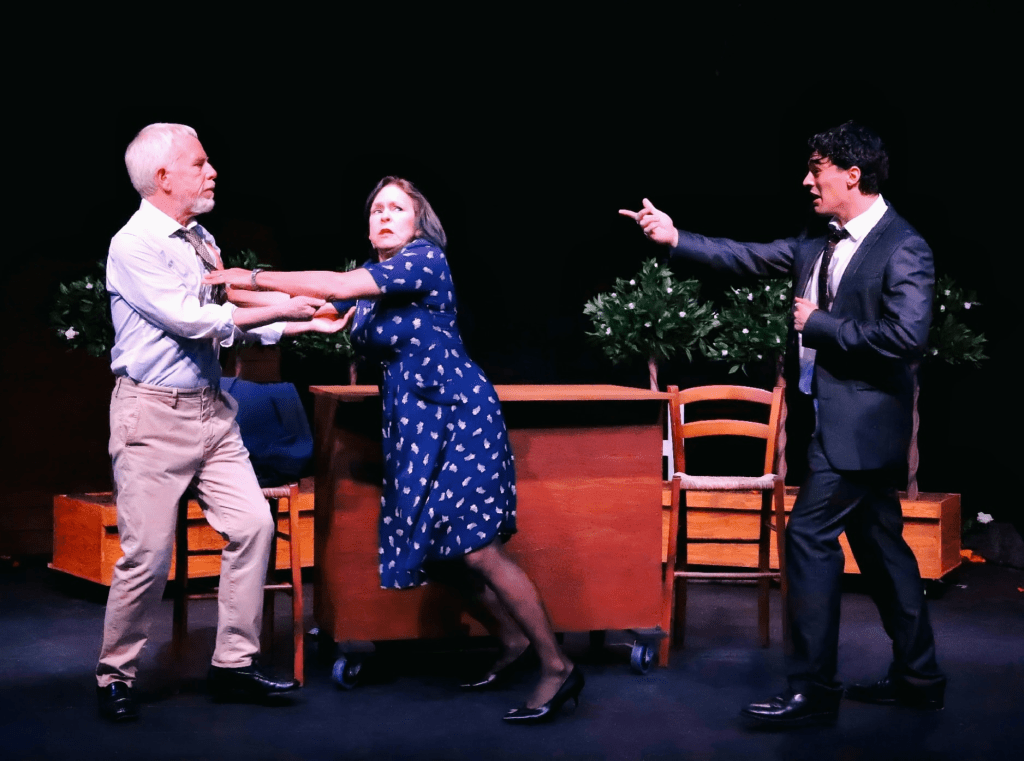
Fran and Bob are perhaps the hardest characters to portray, in that their actions and reactions are often questionable, and morally grey, and yet Taylor and Wanless play them in such a way that makes them likeable nonetheless. There are moments of ferocious conflict (Bob takes a more physical approach in these moments, whilst Fran resorts to vicious name-calling and empty threats), and yet it is the quieter moments that will stay with you, the moments when Bob struggles with the coffee machine, and Fran lightly teases Rosie about her being the favourite. These glimpses of happiness amidst the difficult themes at play are what makes this production shine.
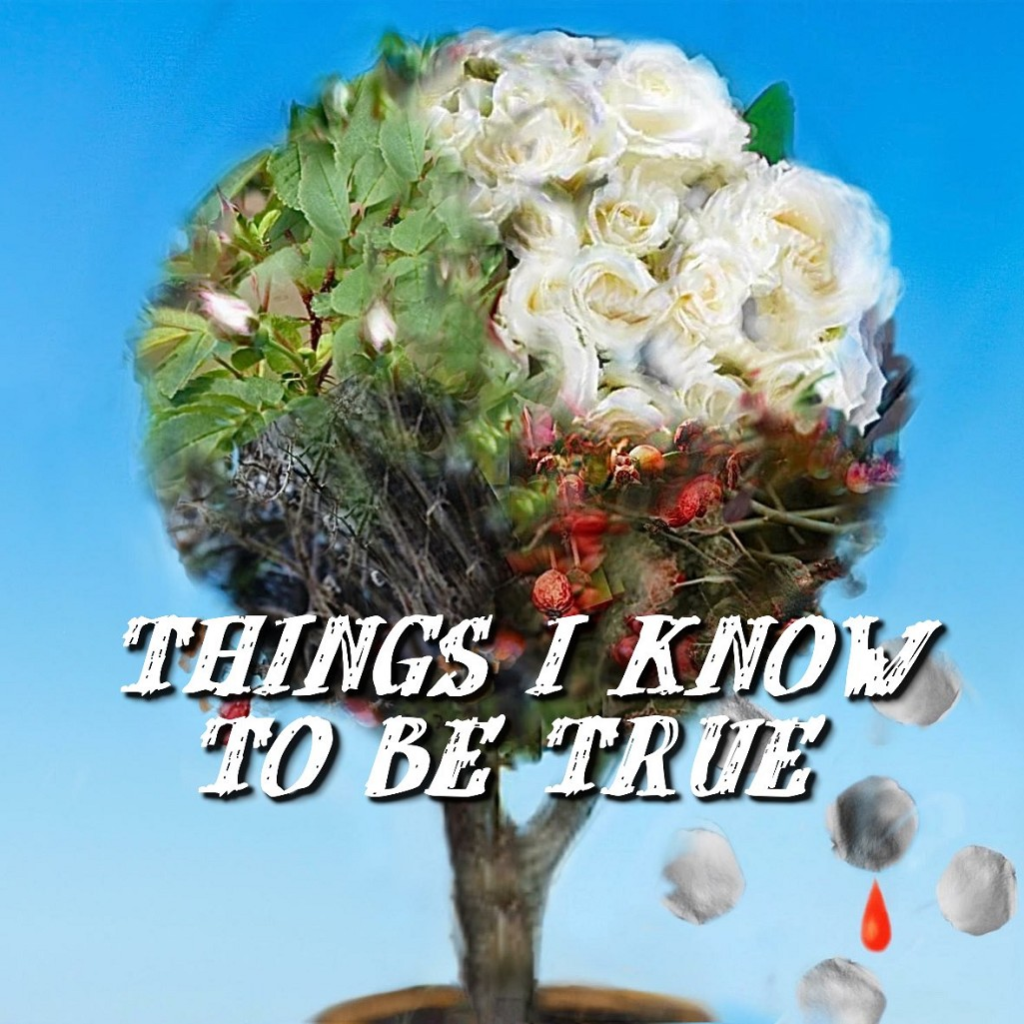
The set design, from David Babington, is simple, yet clever. Rose bushes are used to represent the changing seasons, being swapped out for different versions that thrive in the summer, and are bare in the winter. A tree overhangs the stage, and tables and chairs are moved around to mimic simple scene shifts. This is particularly effective when Pip writes a letter to her mother, the table moving from one side of the stage, where Fran sits reading, to the other side where Pip sits writing. It means that we don’t have to endure blackouts, and the action isn’t interrupted. Throughout it all, Simon Carter’s sound design is soft and unobtrusive, casually linking scenes together in a way that plays on the emotions.
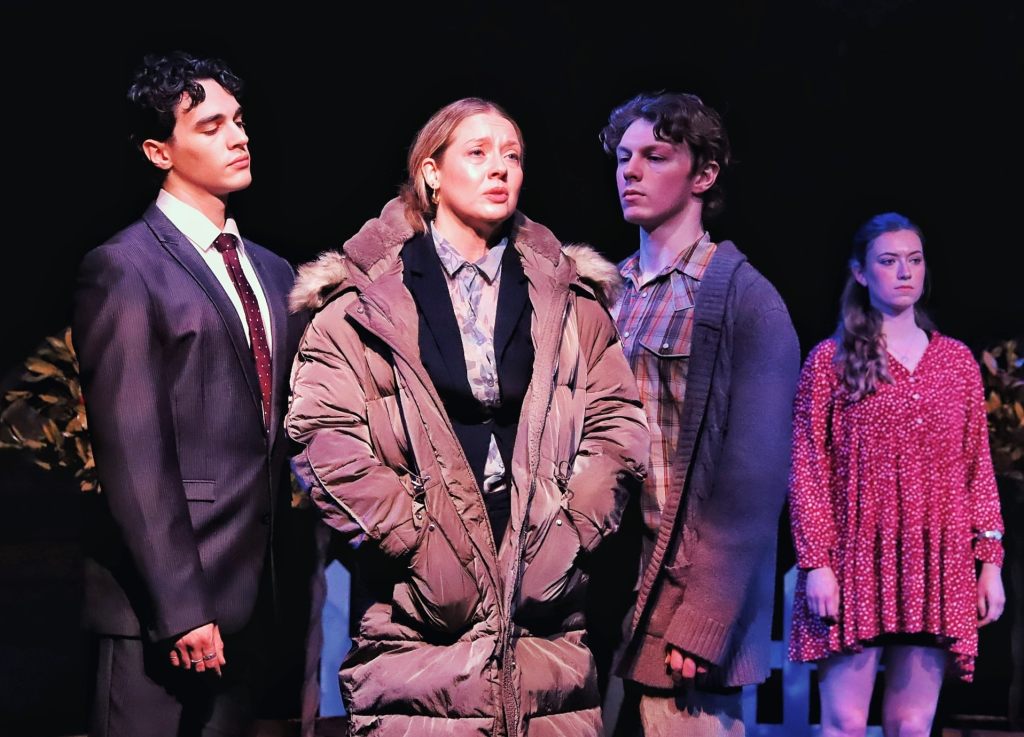
This is the strongest showing for the Lace Market Theatre for a while. It is not an easy watch at times, and demands your attention in a way that can feel exhausting, building to a final scene that is devastating and downbeat. The emotional rollercoaster can be a little draining, but the fact that it leaves you feeling this way is down to the sincerity with which the characters and the story are portrayed. We buy into the characters’ situations, we relate to them, and we care about them. The crux of this story is that it involves characters that we can all recognise – everyone in the room will either see themselves in the sons, daughters, mother or father, and everyone will take something different away from this piece as a result of that.
If you don’t have your tickets yet, I strongly urge you to see this play. The plot feels like it meanders at times, but it all comes together so beautifully in the end. There are threads that are left hanging, things between characters that are left unsaid, but such is life. This is a precise, polished portrayal of how messy real life can sometimes be.
Tom Morley, February 2026
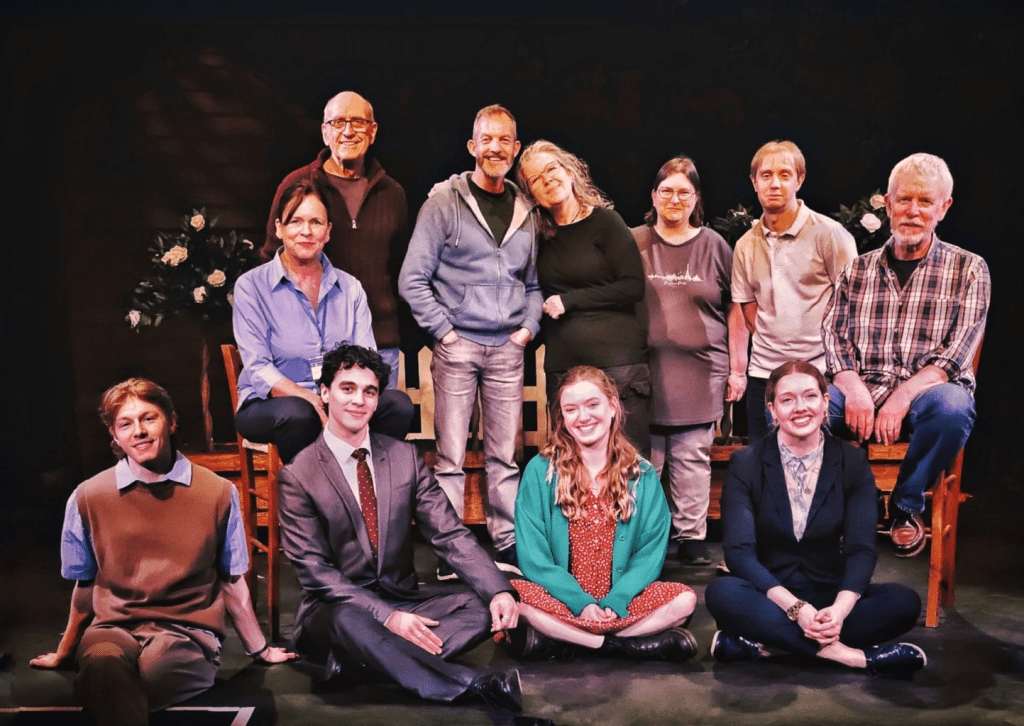
Review Round-up:
Kev Castle Theatre Reviews: Things I Know To Be True – Kev Castle found this to be a very emotional and moving piece, saying the play “will give you plenty of things to talk about after [it] has ended, and may give you a clearer understanding of your children, or your parents“
Elemental Theatre: Things I Know To Be True – ETC’s 5 star review doesn’t beat around the (rose) bush as they call this “the best show I’ve seen in 2026, so far”






 Broken Legs Blog