

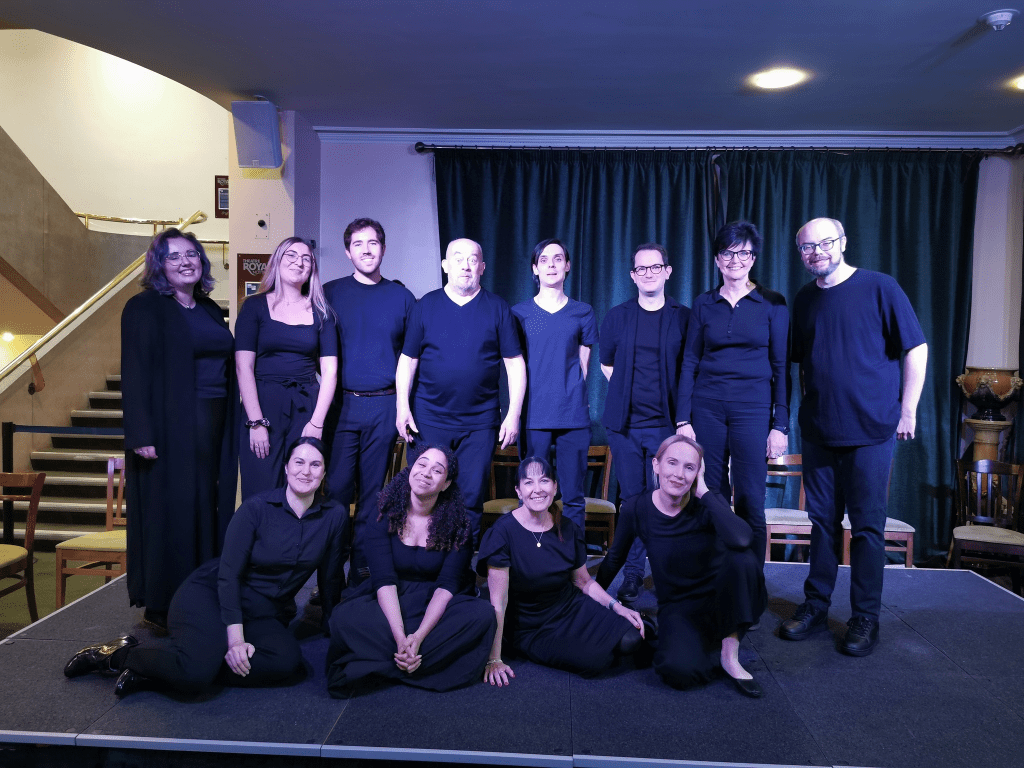
After “Hamlet – The Rest is Silence”, Nottingham Theatre Royal were keen to keep the collaboration with community actors going, forming the Theatre Royal Players. There have been several different projects undertaken by the Theatre Royal Players in the latter half of 2025, including acting workshops, a film project and a Christmas play entitled “Inn Side Story”. I got involved in a rehearsed reading of Pygmalion, an event in September celebrating the 160th anniversary of the Theatre Royal.
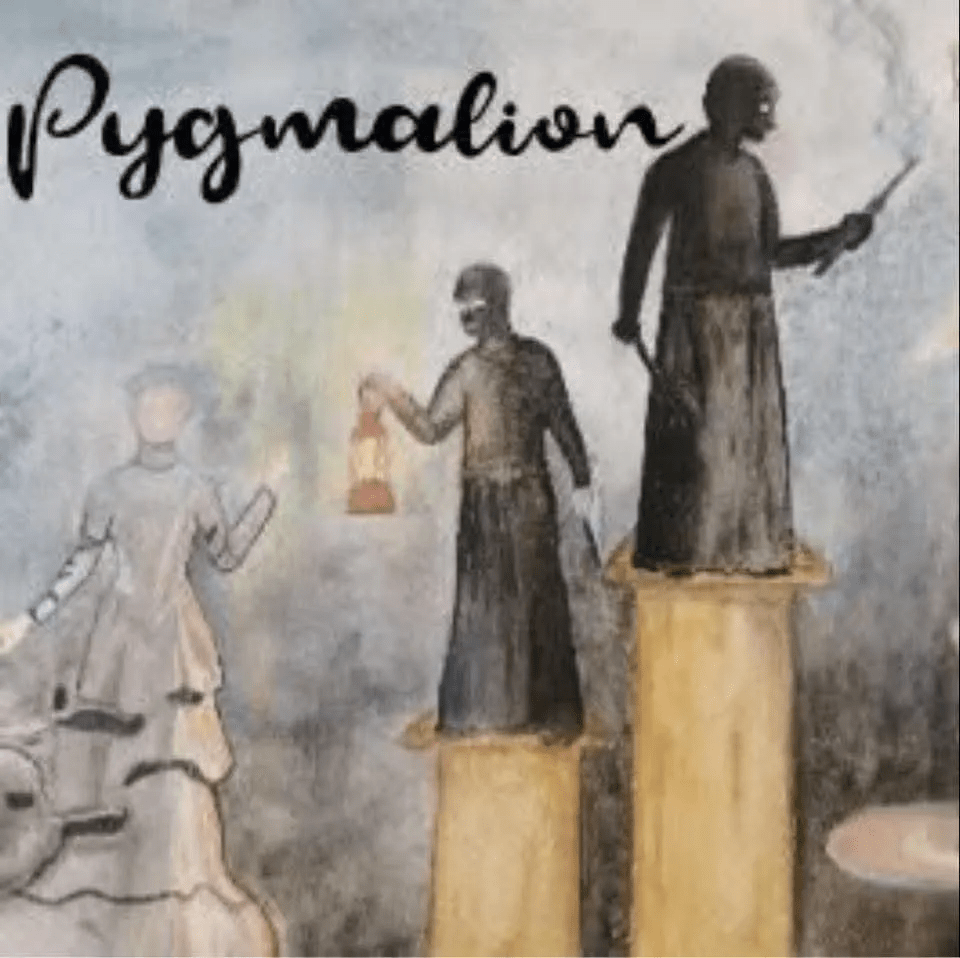
The play, written by George Bernard Shaw, was chosen because it was the inspiration for “My Fair Lady”, a musical that was performed in the 60s for the 100th anniversary, and became so popular that for the first time ever the Theatre Royal’s pantomime was cancelled and the run of “My Fair Lady” was extended. Performing the source material seemed a fitting celebration for the theatre’s anniversary, and the cast were promised a quick rehearsal period (in contrast to Hamlet TRIS!), with only a handful of rehearsals before the big night.
We met originally in August, and spent a day looking at the play in more detail, with different activities in the morning helping us explore the idea of class divides, and the afternoon spent reading the script. The script was incredibly long (we didn’t have enough time to finish reading it that first day). This is partly because of Shaw’s lengthy stage directions, which described the set in incredible detail. These stage directions were useful to us, however, because we wouldn’t have any set, and so reading them aloud would help us to set the scene.
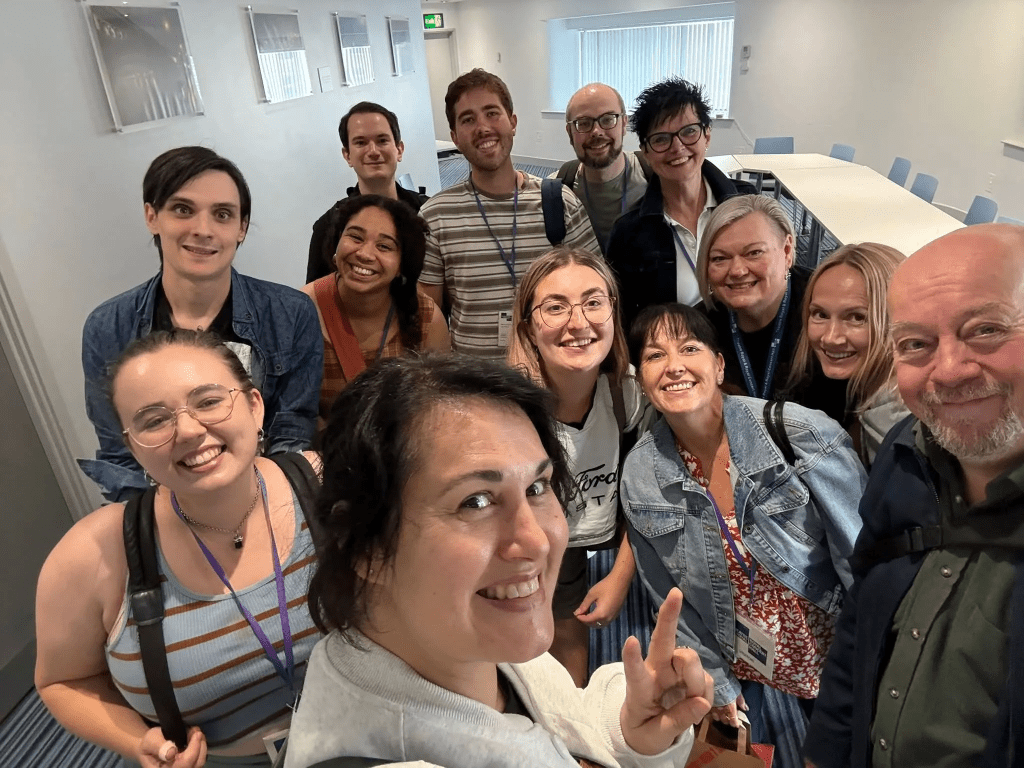
We decided we would have three narrators, who would read the stage directions, as well as directing the actors to move around the stage, and conducting entrances and exits. The title “Pygmalion” comes from Greek mythology, and a story about a sculptor called Pygmalion who falls in love with a statue that he has created, that subsequently comes to life. The story is mirrored by Henry Higgins, who tries to recreate Eliza Doolittle in his own image. Echoing the original Greek myth, our narrators would act as sculptors for the play, helping to bring the scenes to life.
Director Becky Morris was keen to make the piece as collaborative as possible, and even wanted us to work as a team to cast the play. Unfortunately, this made things quite difficult because everyone was too kind to say what roles they wanted to play, and we ended up drawing straws to see who played what. This felt quite awkward and became quite a drawn out process – I think we would have all preferred Becky to just cast the play herself without trying to involve us in the decision!
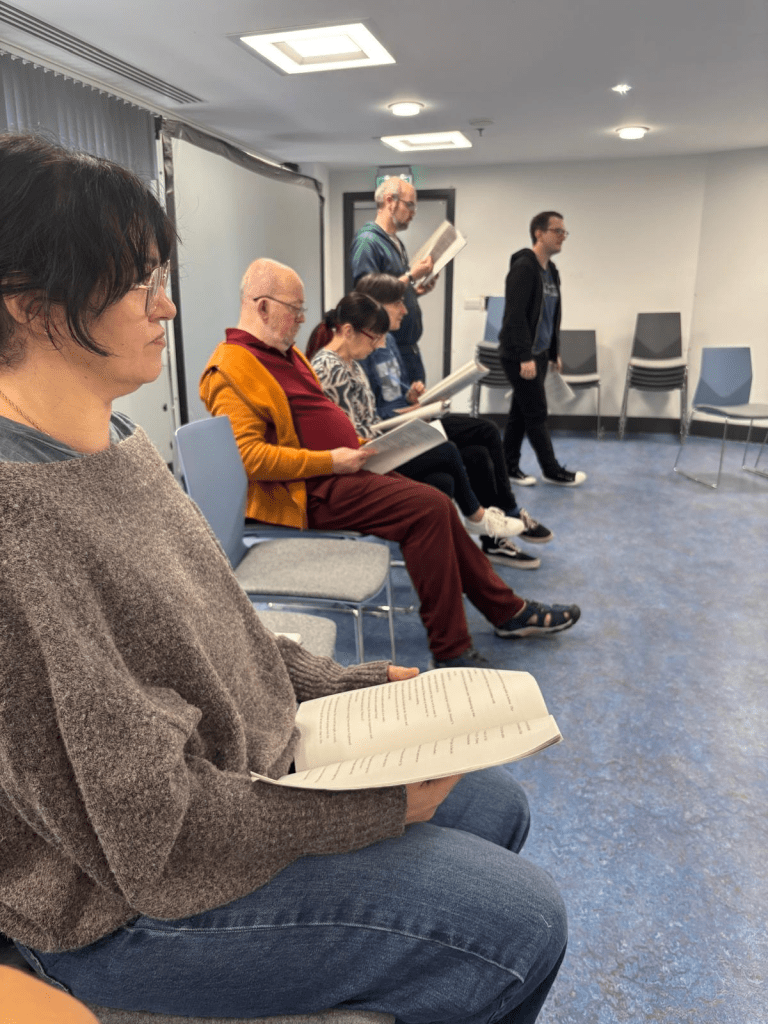
I was cast as Colonel Pickering, Henry’s friend who helps him in his tuition of Eliza whilst also gently mocking his style of teaching. It was difficult to understand Pickering’s emotions, as he doesn’t express his opinion often, and sometimes his lines can seem contradictory – he goes from disapproving of Henry’s methods to being seemingly ok with his treatment of Eliza. The fact that he literally doesn’t know who Henry is at the start of the play makes their relationship even more peculiar. Unfortunately, with such a short rehearsal period, most of the focus was on staging – where to stand, and when to enter etc. – rather than exploring characters and their motivations.
We wanted to include a brief homage to “My Fair Lady”, and with Eden, Ro and Cibele in the cast (who are all excellent singers), we met one evening to choreograph an opening segment which saw the cast singing “Wouldn’t it be loverly” to begin the show. This led to an incredibly long discussion over how we would enter the stage – which in my opinion was made much more complicated than it needed to be, but these are important things to consider!
A full weekend of rehearsals rounded off the short rehearsal period. Becky had cut out some parts of the script to make sure it didn’t run too long, and added some bits of dialogue for our sculptors to begin and end the show, briefly explaining some context for the audience. The performance was free to attend, but tickets had to be reserved on the Theatre Royal website. The show “sold out”, although there were a few empty seats, suggesting that some people had reserved free tickets and then not bothered to turn up, which was a shame.
The performance was a lot of fun and very well received, especially for a show that had come together so quickly. Being able to dip our toes into a play for a few days and then perform it felt very refreshing after the long rehearsal period for Hamlet, and it was nice to be working together with some of the people that we’d gone on that long journey with. I have thoroughly enjoyed rehearsed readings in the past, and it is something that I would like to do more of in future. Being able to perform without the pressure of learning lines is always a plus!

In the new year, I will be joining the Theatre Royal Players again for their production of “Will and Testament”, a play that will explore the life and work of William Shakespeare. It is wonderful that the Nottingham Theatre Royal continues to give these opportunities to community actors, and I hope these opportunities continue.
Tom Morley, December 2025







 Broken Legs Blog