

Whilst working down in London processing data for A Level results day, I couldn’t resist a trip to the theatre – and Sue and I were lucky enough to get tickets through National Theatre’s Rush scheme to go and see their production of “Dr Semmelweis” starring Mark Rylance in the title role.
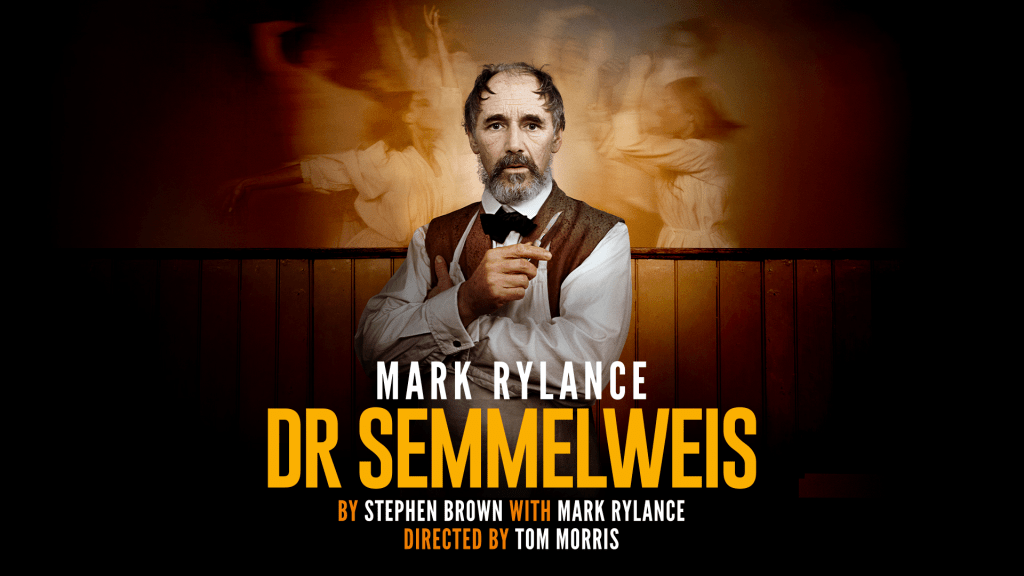
Set in the 1840s, Semmelweis is a doctor working on a maternity ward in Vienna, where mothers mysteriously continue to die during childbirth, especially when looked after by the doctors rather than the midwives. Along with his colleagues, Ferdinand von Hebra (Felix Hayes), Jakob Koletschka (Jude Owusu) and Anna Muller (Pauline Mclynn), Semmelweis sets about trying to solve this mystery in order to save lives.
The entire story is told in flashbacks, beginning years after as Semmelweis and his wife Maria (Amanda Wilkin) are visited by physician Franz Arneth (Ewan Black), who tries to persuade Semmelweis to come back to Vienna to speak about his proposed hygiene reforms at a conference. Semmelweis is unsure – his ideas were constantly rejected and he was ridiculed throughout his career. Eventually he agrees to attend the conference, but when faced with challenges from his former boss Johann Klein (Alan Williams), he finds himself descending into madness once again before winding up in an asylum.

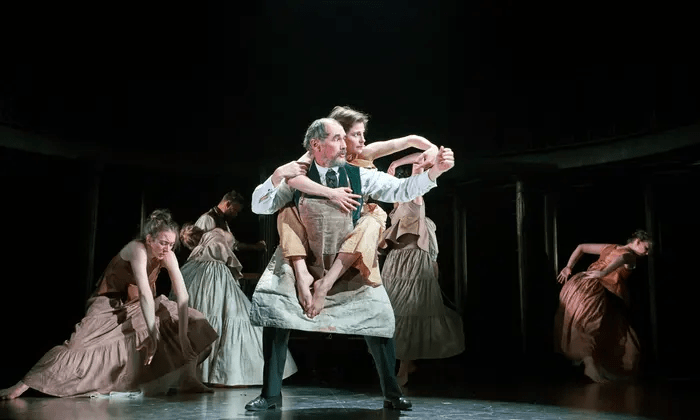
The play tackles very serious issues, and can be difficult to watch at times, but there are comedic moments thrown in, usually due to Semmelweis’s abrupt manner and attitude towards life in general. Rylance is a tour de force, he commands the stage the whole time (hardly leaving it for the entire 2 and a half hour run time), his performance understated and his character incredibly likeable.
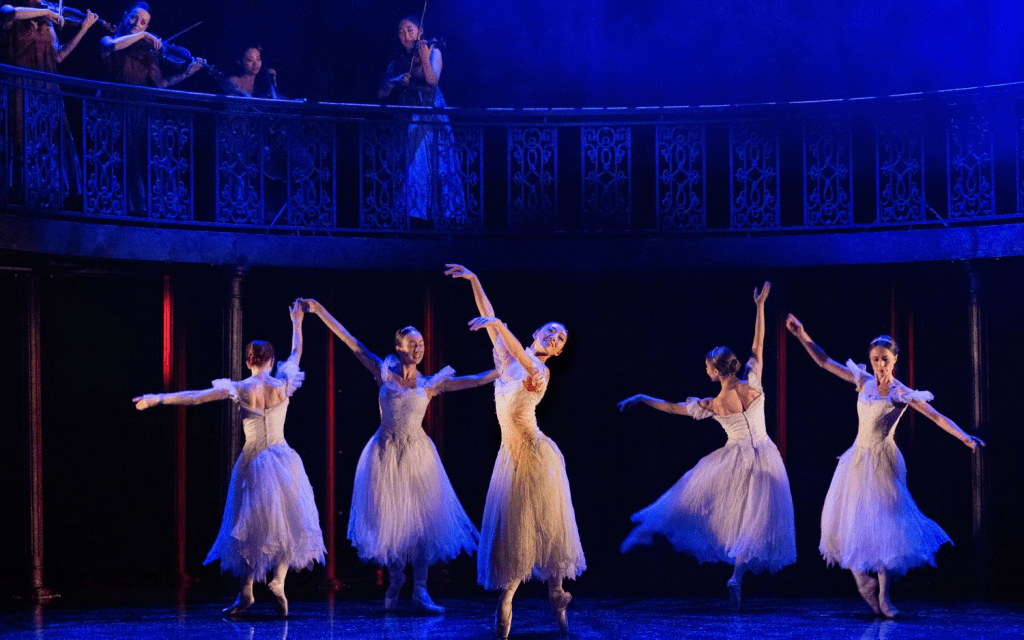
The play uses music throughout – violinists and cellists Haim Choi, Coco Inman, Shizuku Tatsuno and Kasia Ziminska are present for the duration of the play, always visible and moving between the action on the stage. The play also features ballet, with the ballet dancers taking on the images of the women who have died at Semmelweis’s hand as they continue to haunt him.
It is easy to draw comparisons between the challenges Semmelweis faced in encouraging people to wash their hands, and the challenges faced by doctors and politicians during the Covid pandemic, but thankfully these comparisons are left for the audience to make themselves rather than being too “in your face” like other productions I have seen recently (Godber’s “Shakers” comes to mind).
Overall this was a great night of theatre, telling the story of a man who I knew nothing of before, in a way that made the complex subject easy to understand. Well acted, well put together by director Tom Morris, and well written by writer Stephen Brown, this is a show that took me by surprise – and one that I would thoroughly recommend.
Tom Morley, August 2023












 Broken Legs Blog